
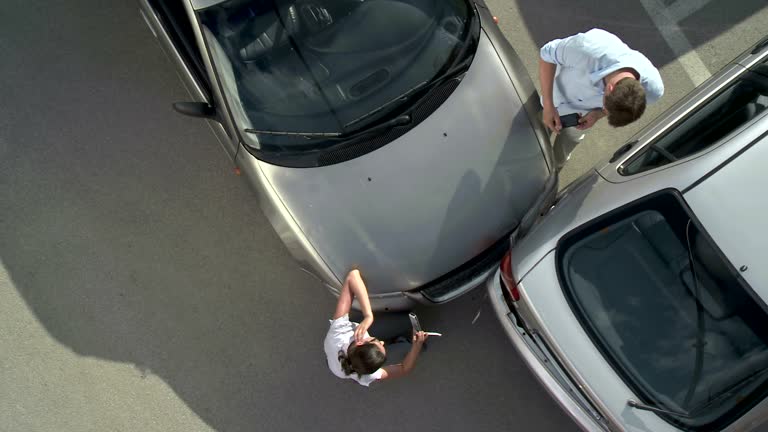
Car accidents are stressful, and in the immediate aftermath, it can be difficult to think clearly about what steps to take. However, the actions you take at the scene and in the days following an accident can have a significant impact on your legal rights, your insurance claim, and your ability to recover compensation for damages or injuries. Understanding the proper legal steps can help protect you.
This article outlines what every Canadian driver should do after a car accident and how having access to legal advice through a Personal Legal Service Plan can make the process easier.
What to Do at the Scene
The first priority after any car accident is safety. Check yourself and your passengers for injuries and call 911 if anyone needs medical attention. If the vehicles are drivable and it is safe to do so, move them to the side of the road to avoid blocking traffic. Turn on your hazard lights to alert other drivers.
Under Canadian law, you are generally required to remain at the scene of an accident if there are injuries, death, or significant property damage. Leaving the scene of an accident can result in criminal charges. Exchange information with the other driver, including names, addresses, phone numbers, driver's licence numbers, licence plate numbers, and insurance details. If there are witnesses, collect their contact information as well.
Document Everything
Take photographs of the damage to all vehicles, the accident scene, road conditions, traffic signs, and any visible injuries. Write down what happened as soon as possible while the details are fresh in your memory. This documentation can be invaluable later when dealing with insurance companies or if the matter goes to court. Note the date, time, location, weather conditions, and any other relevant details.
Report the Accident
In most Canadian provinces, you are required to report an accident to the police if there are injuries, if the total damage exceeds a certain threshold (typically between $1,000 and $2,000 depending on the province), or if any driver appears to be impaired. Even if the accident seems minor, filing a police report creates an official record that can support your insurance claim or legal case later.
You should also notify your insurance company as soon as possible. Most insurance policies require prompt reporting of accidents, and failing to do so could jeopardise your coverage.
Be Careful What You Say
After an accident, avoid admitting fault or making statements that could be interpreted as an admission of liability. Even a simple apology can be used against you in an insurance claim or lawsuit. Stick to the facts when speaking with the police, the other driver, and your insurance company. Let the investigation determine who was at fault.
When to Seek Legal Advice
If you sustained injuries, if the other driver is disputing fault, if your insurance claim is denied, or if you are facing a lawsuit, it is important to speak with a lawyer. A lawyer can help you understand your rights, negotiate with insurance companies, and pursue compensation for medical expenses, lost wages, pain and suffering, and property damage.
How a Personal Legal Service Plan Can Help
With a Personal Legal Service Plan, you can consult with a Provider Law Firm in your province after a car accident to understand your legal options. A lawyer can advise you on dealing with insurance companies, help you respond to any legal claims, and ensure that your rights are protected throughout the process.
Ready to Get Protected?
Get affordable legal protection today. Choose your location to explore Personal Legal Service Plans.